Crushed Glass Blasting Media vs. Silica Sand: Which Is Better for Your Project?
The abrasive you choose shapes your results, your safety record, and your bottom line — here is what the data says.
If you are still using silica sand for surface preparation, you may be putting your workers at risk, falling behind on compliance, and spending more than you need to. The blasting industry has moved on — and recycled crushed glass is leading the charge.
What Is Crushed Glass Blasting Media?
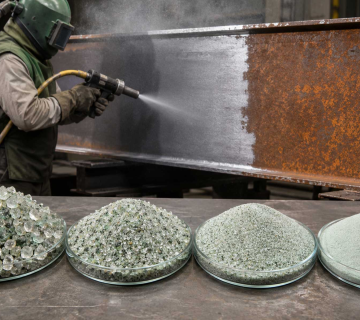
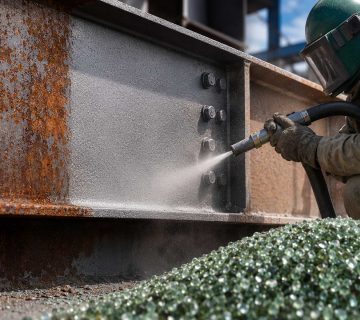
Crushed glass blasting media is produced from 100% post-consumer recycled glass — primarily from bottles and windows. The glass is crushed, screened, and sized into specific mesh grades.
Zafa Glass supplies four precision-graded mesh sizes:
- Coarse Grade (10/20 mesh) — heavy rust and mill scale removal
- Medium Grade (20/40 mesh) — general surface preparation
- Fine Grade (40/80 mesh) — finishing and light profiling
- Ultrafine Grade (80+ mesh) — precision work and delicate surfaces
What Is Silica Sand Blasting Media?
Silica sand has historically been the most widely used blasting abrasive due to its low cost and wide availability. However, it contains crystalline silica — a known carcinogen that causes silicosis, lung cancer, and other serious respiratory diseases when inhaled.
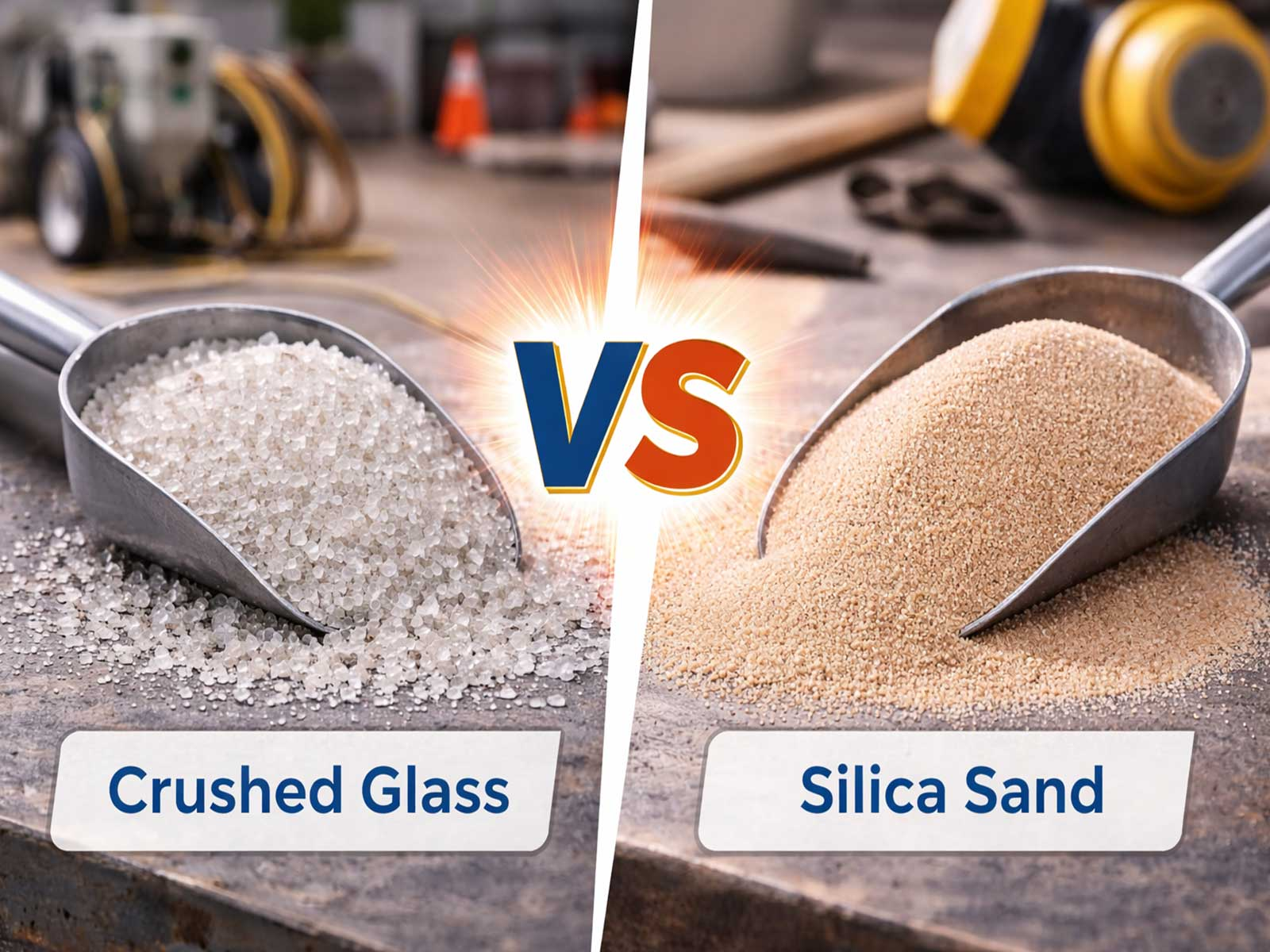
Head-to-Head: Crushed Glass vs. Silica Sand
Factor | Crushed Glass | Silica Sand |
Silica Content | None (silica-free) | High crystalline silica |
Worker Safety | Excellent | Poor (health hazard) |
OSHA Compliance | Easy | Complex, costly |
Dust Generation | Low | High |
Surface Profile | Consistent, angular | Variable |
Environmental Impact | Low (recycled) | Higher (virgin material) |
Long-Term Cost | Lower TCO | Higher TCO |
LEED Compatible | Yes | No |
Worker Safety
Crushed Glass is silica-free and non-toxic. It does not produce respirable crystalline silica dust. Workers are safer, and you avoid OSHA’s Silica Rule (29 CFR 1926.1153) compliance burden. Silica Sand contains crystalline silica. OSHA strictly regulates its use, requiring exposure monitoring, respiratory protection, and medical surveillance.
Environmental Impact
Crushed glass is made from recycled materials with a lower environmental footprint. It complies with green building standards and supports LEED project certifications. Silica sand is virgin-mined material with no recycled content.
Total Cost of Ownership
Crushed glass may appear slightly higher per-bag in some markets, but savings come from reduced disposal fees, fewer health-related shutdowns, lower PPE burden, and improved efficiency. When you factor in OSHA compliance costs, health liabilities, environmental disposal fees, and reduced efficiency, the math shifts clearly in favor of recycled glass.
The Verdict
If your priority is worker safety, regulatory compliance, surface quality, and environmental responsibility — crushed glass blasting media wins in every meaningful category. Silica sand may still appear cheaper at purchase, but total lifecycle cost favors recycled glass.
Ready to Make the Switch?
Zafa Glass supplies premium recycled crushed glass blasting media in multiple mesh sizes, with reliable supply across the USA.