Safer job sites, clearer visibility, and better blasting results start with the right approach.
Dust is one of the most common — and costly — challenges in abrasive blasting projects. Excessive airborne dust reduces operator visibility, increases health risks, slows productivity, and often leads to rework or compliance issues. Whether you’re blasting steel, concrete, or industrial equipment, controlling dust is essential for safe, efficient, and high-quality surface preparation.
In this guide, we’ll break down practical, proven methods to reduce dust and improve visibility in blasting projects, while aligning with OSHA standards and modern sustainability goals.
Why Dust Control Is Critical in Abrasive Blasting
Uncontrolled dust can cause:
- Poor visibility, reducing blasting accuracy
- Increased operator fatigue and safety hazards
- Health risks from inhalable particles
- Higher cleanup and disposal costs
- Slower project completion times
Improving visibility doesn’t just protect workers — it directly improves surface quality, efficiency, and cost control.
1. Choose the Right Blasting Media
The type of abrasive used is the biggest factor affecting dust levels.
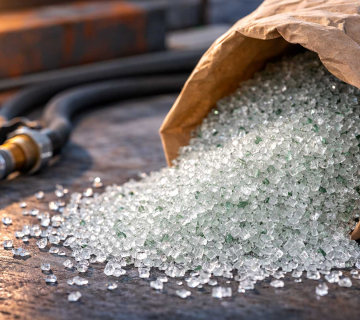
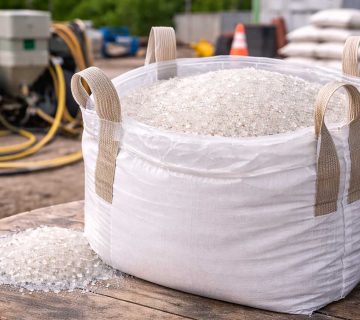
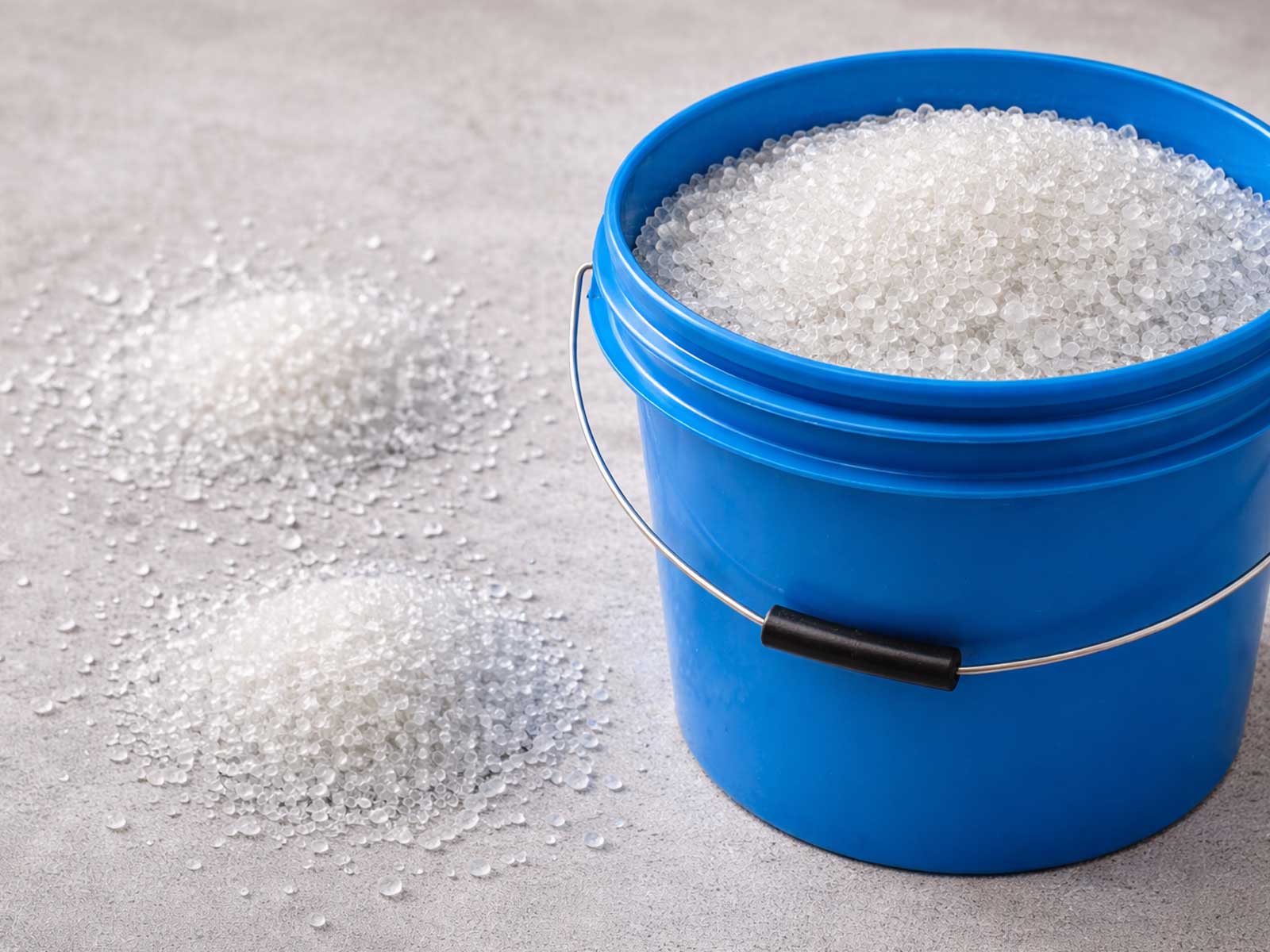
Why Recycled Glass Blasting Media Produces Less Dust?
Recycled glass blasting media is engineered to fracture predictably, producing fewer airborne fines compared to traditional abrasives like coal slag or silica sand.
Key benefits include:
- Silica-free composition for safer blasting
- Lower dust generation during impact
- Cleaner job sites with better visibility
- Compliance with OSHA and EPA standards
Unlike silica sand, recycled glass does not release respirable crystalline silica, making it a safer alternative for operators.
2. Select the Correct Mesh Size
Using an incorrect grit size can dramatically increase dust.
Best practices:
- Use coarser mesh sizes for heavy coatings and thick rust
- Use fine or ultra-fine mesh only for precision applications
- Avoid overusing fine mesh where aggressive cutting is needed
Correct mesh selection reduces unnecessary particle breakdown and minimizes airborne dust.
3. Optimize Blasting Pressure
Higher pressure does not always mean better results. Excessive pressure causes abrasives to shatter, creating more dust.
To improve visibility:
- Use the lowest effective pressure for the task
- Adjust pressure based on substrate hardness
- Monitor dust output and fine-tune settings during operation
Balanced pressure improves cutting efficiency while keeping dust levels under control.
4. Maintain Blasting Equipment
Worn equipment increases dust and reduces efficiency.
Regular inspections should include:
- Checking nozzle wear (worn nozzles create turbulence)
- Inspecting hoses for leaks or internal wear
- Ensuring smooth, consistent media flow
Well-maintained equipment delivers cleaner blasting and better visibility.
5. Use Proper Containment and Ventilation
For indoor or enclosed blasting projects, dust containment is essential.
Effective solutions include:
- Blasting enclosures or curtains
- Local exhaust ventilation systems
- Dust collectors and filtration units
- Negative air pressure setups
These systems dramatically reduce airborne dust and protect surrounding work areas.
6. Train Operators on Dust-Reducing Techniques
Operator technique plays a major role in dust control.
Training should focus on:
- Maintaining proper nozzle angle and distance
- Avoiding over-blasting in one area
- Recognizing when dust indicates incorrect settings
Skilled operators produce cleaner surfaces with less dust and better visibility.
Industries That Benefit Most from Low-Dust Blasting
- Marine & Shipyards – safer blasting near water and docks
- Construction & Infrastructure – cleaner bridge and concrete restoration
- Automotive & Aerospace – precision blasting with minimal surface damage
- Oil & Gas – safer maintenance in confined spaces
Across all industries, reduced dust means faster work, safer crews, and higher-quality finishes.
Final Thoughts
Reducing dust in blasting projects is not just about comfort — it’s about safety, compliance, efficiency, and surface quality. By choosing the right blasting media, optimizing mesh size and pressure, maintaining equipment, and training operators, you can significantly improve visibility and productivity.
Low-dust blasting is no longer optional — it’s a best practice for modern surface preparation.
How Zafa Glass Can Help
At Zafa Glass Inc., we supply premium recycled glass blasting media designed specifically for low dust output and consistent performance.
We offer:
- Silica-free, eco-friendly blasting media
- Multiple mesh sizes for every application
- Cleaner blasting with improved visibility
- Reliable nationwide USA supply
Our experts help you select the right media and grit size to reduce dust and maximize efficiency.
Blast Smarter, Cleaner, and Safer with Zafa Glass
Reduce dust, improve visibility, and protect your crew with low-dust recycled glass blasting media. Contact Zafa Glass today for expert guidance, pricing, and free samples.